Building Safe Spaces For the Next Generation
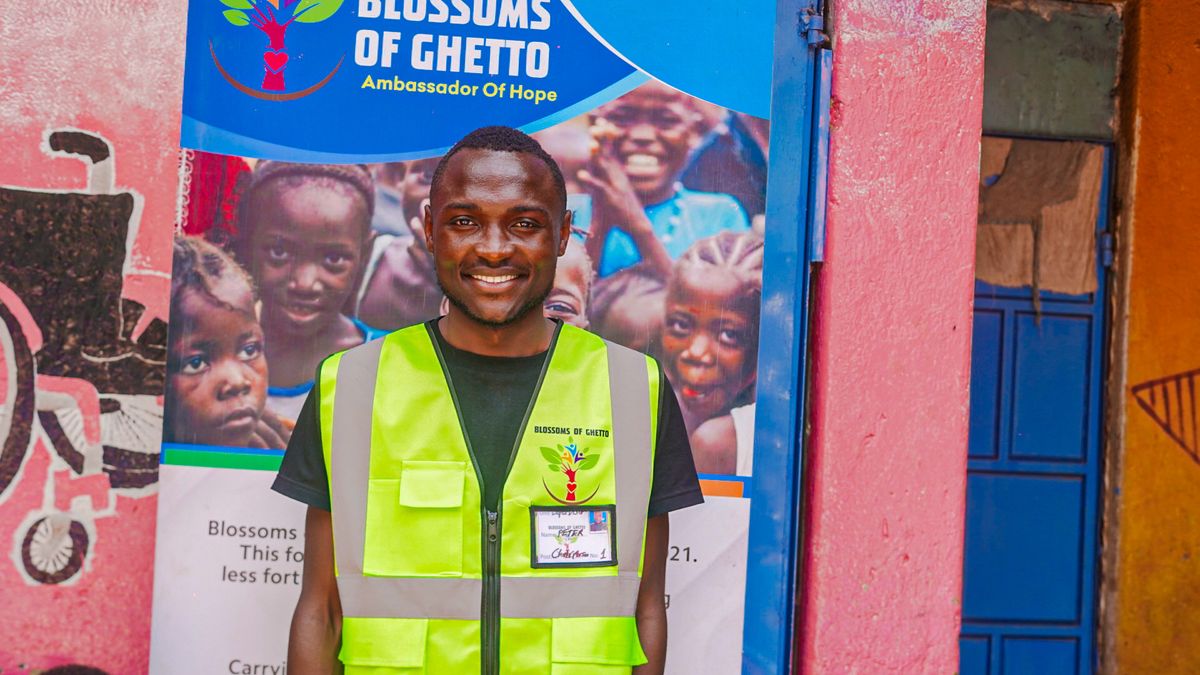
The organizations doing the most meaningful work in African communities are rarely the ones with the loudest voices. In the Narrative is our response to that reality. Each month, we profile one selected organization doing real community-driven work on the continent and make sure their stories reach the people who need to hear them. These are their stories, told in their own words. This edition features Peter Kimani, Chairperson, Blossoms of Ghetto, a community-based organization working with vulnerable children and families in Mathare, Nairobi, and here is what he had to say.

The organizations doing the most meaningful work in African communities are rarely the ones with the loudest voices. In the Narrative is our response to that reality.
Each month, we profile one selected organization doing real community-driven work on the continent and make sure their stories reach the people who need to hear them. These are their stories, told in their own words.
This edition features Peter Kimani, Chairperson, Blossoms of Ghetto, a community-based organization working with vulnerable children and families in Mathare, an outskirts of Nairobi, Kenya and here is what he had to say.
Q: What inspired the creation of your organization?
Peter: Blossoms of Ghetto was born from lived experience, resilience, and a deep desire to give children growing up in informal settlements the opportunity to dream beyond their circumstances.
As someone who grew up in difficult conditions and experienced life on the streets at a young age, I know firsthand what it means to lack food, guidance, opportunities, and emotional support. I also saw countless children in Mathare growing up surrounded by poverty, drug abuse, violence, hunger, school dropouts, and hopelessness. Many gifted young people simply lacked safe spaces, mentorship, and people who genuinely believed in them.
What inspired me most was the realization that sometimes children and families do not need someone to pity them—they need someone to stand with them, listen to them, encourage them, and create opportunities for them.
Blossoms of Ghetto began as a small community effort driven by compassion and the belief that every child deserves dignity, love, and a chance to thrive regardless of where they come from. Over time, it has grown into a registered community-based organization working to support vulnerable children, youth, and families in Mathare through feeding programs, mentorship, education support, sports, arts, and community empowerment initiatives.
Q: What specific challenge are you working to solve in your community? Why is it important?
Peter: The main challenge we are working to address is the cycle of poverty, hunger, exclusion, and lack of opportunity affecting children and families in informal settlements such as Mathare.
This work matters because without early support, many children become vulnerable to harmful environments, hopelessness, and negative influences. We believe that providing safe spaces, meals, mentorship, emotional support, and opportunities can help break this cycle and create pathways to a brighter future.
Q: What are the main activities or programs you run to address this challenge?
Peter: Blossoms of Ghetto runs a range of programs that support children and families in Mathare. These include feeding programs for households and children facing hunger, holiday camps and mentorship sessions for children and teenagers, and sports activities such as football to promote teamwork and discipline. We also run arts and dance programs that encourage creativity and self-expression and personal development.
We also organize community outreach activities, wellness conversations, environmental clean-up efforts, and safe-space gatherings where children and young people can learn, interact, and feel supported.
Our approach focuses not only on immediate support, such as food, but also on restoring confidence, dignity, belonging, and long-term hope.
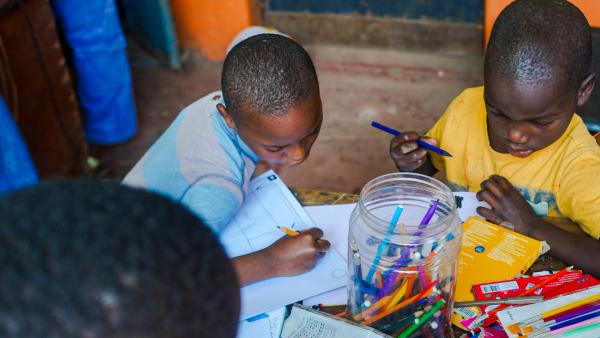
Some of the children at a session by Blossoms of Ghetto. Photo credit: Blossoms of Ghetto.
Q: What has surprised you most about this work—something you didn't expect when you started?
Peter: One thing that surprised me most was how deeply emotional and personal this work can become.
When we started, I expected the biggest challenge to be resources, but I discovered that many people in the community are carrying silent emotional pain, loneliness, trauma, and hopelessness. Sometimes, a conversation, a safe space, encouragement, or simply someone listening can have a powerful impact
I have also been surprised by the resilience of children and families despite the hardships they face every day. Even in difficult conditions, many still carry dreams, talents, kindness, and the willingness to support one another.
This work has taught me that community transformation is not only about material support but also about restoring hope and human connection.
Q: What is the moment of impact that you are most proud of? Not a statistic — a moment.
Peter: One time, during one of our feeding and mentorship activities, a child quietly told us that the day’s meal was the first proper meal they had eaten in days.
After eating, the children returned to the football field laughing, dancing, and teasing one another. Watching them move from silence to joy reminded us why this work matters.
Another moment has been seeing young people who were struggling themselves start volunteering, mentoring others, returning to school, or using their talents positively within the community.
For me, impact is not only in numbers—it is in seeing hope return to someone’s eyes.
Q: What do you think makes your approach or model different from other organizations in the same space?
A: What makes our approach unique is that our work is deeply community-rooted and driven by lived experience. We are not outsiders coming into the community temporarily—many of us understand these realities personally because we grew up in similar conditions. This creates trust, relatability, and genuine connection with the people we serve.
We also believe in combining practical support with emotional support, creativity, mentorship, sports, storytelling, and community belonging. Rather than focusing only on problems, we try to nurture talent, confidence, leadership, and hope.
Our programs are designed to make children and young people feel seen, valued, heard, and capable of becoming changemakers themselves.
Q: How do the people you serve participate in shaping your programs or decisions?
A: The community plays a very important role in shaping our programs and activities. We regularly listen to children, parents, youth, volunteers, and local community members to understand the most urgent needs and what kind of support would be most meaningful. Many of our activities have grown directly from conversations within the community.
Young people also actively participate as volunteers, mentors, team leaders, and organizers during events and programs. We believe solutions become more sustainable when the community is involved in creating them.
Q: What motivates you and your team to continue this work despite the challenges?
A: What keeps us going is the people. Seeing children smile, families feel supported, and young people begin to believe in themselves again, gives us the strength to continue despite the challenges.
Personally, my own journey reminds me why this work matters. I know how powerful it can be when someone believes in you during difficult moments.
Our team is motivated by the hope of creating a future where children from underserved communities can grow up with dignity, opportunity, safety, and the confidence to pursue their dreams.
Faith, community support, and the small moments of transformation we witness every day continue to inspire us.
Q: Where do you want this organization to be in three years? What would have to change—in your community, in your funding, in the world—for that to happen?
A: In the next three years, we hope Blossoms of Ghetto will grow into a stronger and more sustainable community organization with a permanent safe space for children and youth.
We would like to expand our feeding programs, mentorship initiatives, sports and arts activities, educational support, and mental wellness programs so that we can reach more vulnerable families consistently.
We also hope to create more opportunities for young people through leadership development, creative arts, skills programs, and partnerships with organizations and supporters who believe in community-driven change.
For this to happen, stronger funding opportunities, partnerships, community support, visibility, and investment in grassroots organizations will be very important.
Q: What would you say to another community leader in Africa who is doing important work but feels their story doesn't matter or won't be heard?
A: To every community leader or grassroots changemaker who feels unseen or unheard: your story matters. Even the smallest acts of compassion can create powerful change in someone’s life. Do not underestimate the impact of consistency, kindness, and showing up for your community.
Many important stories are never highlighted globally, but that does not make the work less meaningful. Continue planting seeds, continue believing in your mission, and continue creating hope where you are.
Real change often begins quietly within communities.
Q: How important is support from African people and communities in keeping your work going?
Support from African people and communities is extremely important in sustaining grassroots work like ours.
Community support creates ownership, trust, and long-term sustainability. Even when resources are limited, local people often contribute through volunteering, sharing skills, mobilizing others, donating food, encouraging children, or opening spaces for activities.
African philanthropy is powerful because communities understand their own realities, cultures, strengths, and challenges deeply. When communities support one another, it strengthens dignity and collective responsibility.
We believe lasting change happens best when local communities, grassroots organizations, and partners work together to build solutions from within.
Cover photo: Peter Kimani, a former street child who now runs Blossoms of Ghetto. Photo credit: Blossoms of Ghetto.