Here is How this Organization is Fighting Gender Violence in Northern Nigeria
Women and girls across Nigeria often experience domestic and gender-based violence (GBV) in absolute silence, often with nowhere to turn to for help. This organization is changing that reality.
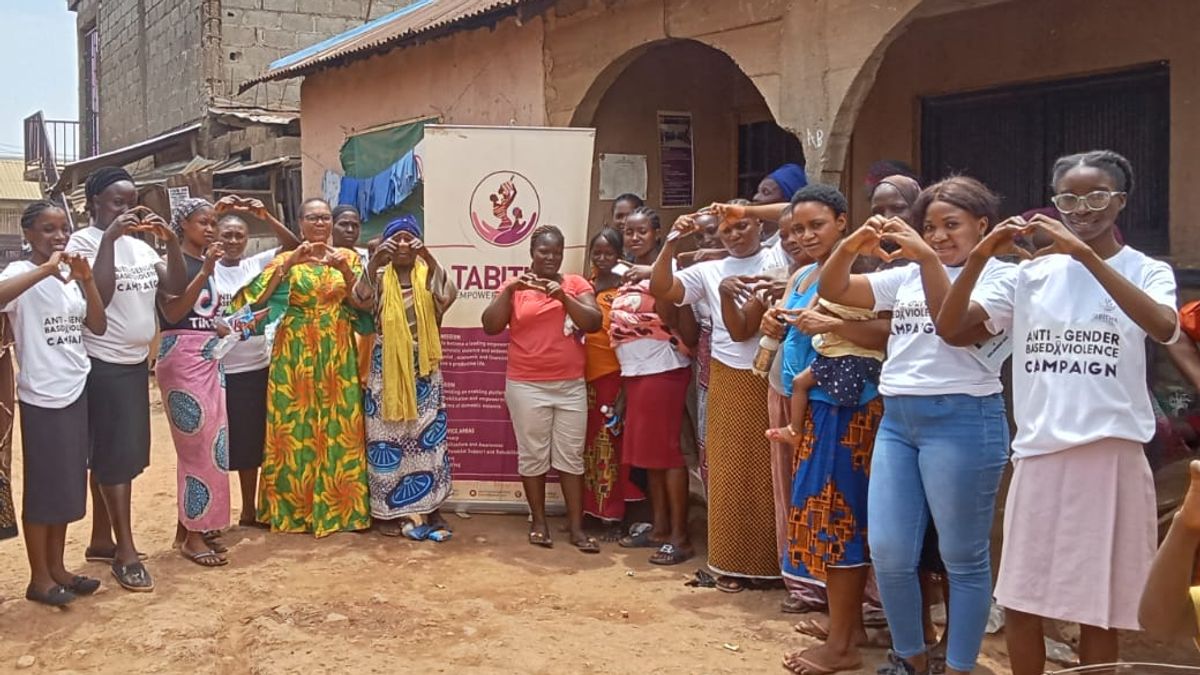
The organizations doing the most meaningful work in African communities are rarely the ones with the loudest voices. In the Narrative is our response to that reality. Each month, we profile one selected organization engaging in community-driven work on the continent and make sure their stories reach the people who need to hear them.
This edition features Gladys Emmanuel, Advocacy Officer and In-house Lawyer at Tabitha Empowerment Centre, and here is what she had to say.
Q: What inspired the creation of your organization?
A: Tabitha Empowerment Centre (TEC) was founded in March 2017 by Madam Christina Uzo Okamgba (AFP, FIL). The inspiration was born after witnessing the heartbreaking reality of countless women and girls across Nigeria experiencing domestic and gender-based violence (GBV) in absolute silence, often with nowhere to turn to for help.
Our founder observed that survivors were often trapped by a combination of social stigma, economic dependence, lack of support systems, and the absence of a comprehensive referral pathway for reporting cases.
Q: What specific challenge are you working to solve in your community and why is it important?
A: We work to eliminate domestic and gender-based violence, promote social inclusion, and strengthen the resilience of vulnerable groups. This is critical because, in communities (where we work) across Abuja, Kaduna, Kano, and Plateau, violence and poverty are daily realities. Limited economic opportunities coupled with inadequate trauma-informed services and weak institutional support leave many survivors with few pathways to safety and recovery.
Q: What are the main activities or programs you run to address this challenge?
A: Our work is organized across five thematic areas: Advocacy, Community Sensitization, Psychosocial support, Welfare and empowerment programs, and Research.
Our programs include:
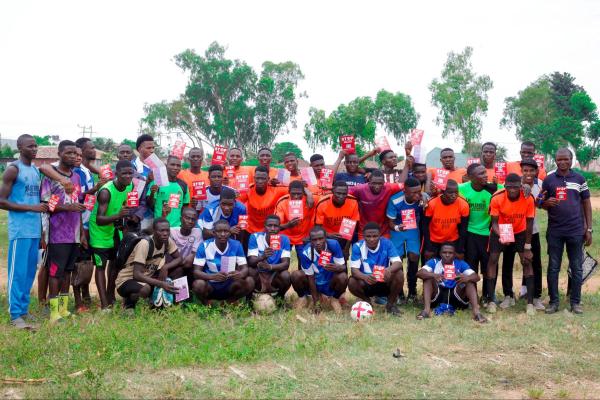
- Anti-GBV Sports Competition We use football as a unifying tool to foster male allyship and promote women's rights, engaging over 400 participants in local communities.
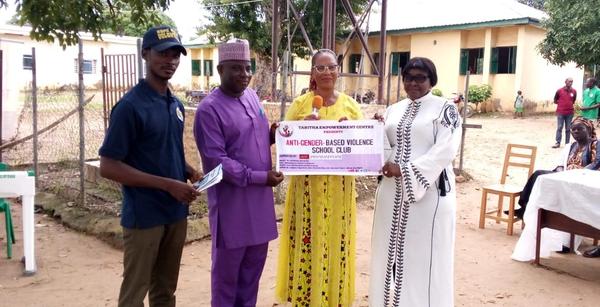
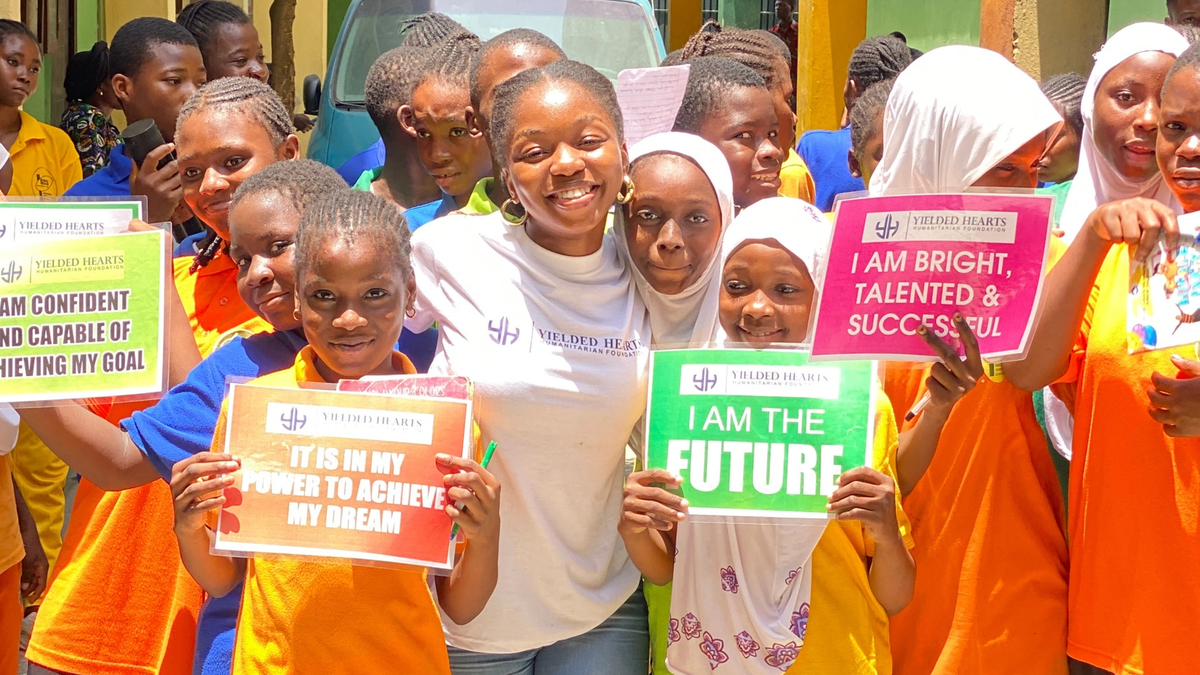
- Anti-GBV School Drive We established student clubs and organize quiz competitions to educate young people about gender-based violence through a specialized curriculum. This program runs in 67 schools across our 4 engagement states.
- In our Community Champions program, we equip men, women, and young people with grassroots advocacy and survivor-centered response skills, enabling them to serve as first responders and advocates within their communities.
- Empower Her Initiative Provides vocational skills, financial literacy, and educational support for widows and gender-based violence survivors to build economic resilience.
- Girls Vanguard Project is a leadership and mentorship initiative for adolescent girls focusing on bodily autonomy and civic engagement.
Through our community stakeholder dialogues, we have engaged over 4,000 individuals across 15 communities via town hall meetings and dialogues with traditional rulers, religious leaders, and security agencies. These dialogues have fostered collaboration and rapid case-reporting mechanisms.
Our growing research portfolio underscores our leadership in evidence-based advocacy. This includes presenting research on mobilizing male allies for community-driven gender justice at the 2025 Gender and Inclusion Summit organized by the Policy Innovation Centre in Nigeria and a presentation on strengthening legal and social pathways to justice at the Future of Women Conference 2026 in Bali, Indonesia.
We have worked with several partners to advance our work, including UNESCO, Nigeria Security and Civil Defence Corps (NSCDC) FCT Command, MacArthur Foundation, FCT Women Affairs Secretariat, and UN Women.
Q: What has surprised you most about this work—something you didn't expect when you started?
A: The most vital lesson and surprise for us was that co-creation of initiatives is not optional. We learned that initiatives designed in a vacuum will definitely struggle for traction, scalability, and sustainability; true progress only happens when every step is informed by community inputs and feedback through scorecards, support groups, and town halls.
Q: What is the moment of impact that you are most proud of?
A: Our proudest moment was the commissioning of the first all-female cohort of community champions in Gidan Mangoro, Orozo district, in Nigeria’s Federal Capital Territory in December 2022. The sight of these women standing confidently before their traditional rulers was a silent but powerful declaration that the era of silence had ended. It represented a definitive breakthrough in expanding gender equality within a historically marginalized area.
Q: Has the community pushed back on or resisted any aspect of your work? How did you handle it?
A: Initially, some communities were hesitant. We handled this by securing the buy-in of traditional and religious leaders to ensure our reporting mechanisms reflected local realities and by translating our materials into six languages (English, Pidgin, Igbo, Hausa, Yoruba, and Gbagyi) to ensure no one is left behind. Now, these same leaders proactively open their palaces for sensitization, promptly report cases of GBV, and make their palaces safe spaces for survivors.
We have recorded tremendous cooperation from these communities, such as the Kpeyegyi community, who have signed a male allyship accord, creating a zero-tolerance community for GBV, including Technologically Facilitated Gender-Based Violence (TFGBV).
Q: What do you think makes your approach or model different from other organizations in the same space?
A: Our model is unique because we believe communities are co-creators rather than just beneficiaries. We intentionally embed local leadership by training residents as first responders (Community Champions) who remain in the neighborhood long after a project cycle ends. We also use non-traditional tools, such as Anti-GBV Sports Competitions, to foster male allyship.
Q: How do the people you serve participate in shaping your programs or decisions?
A: Priorities are shaped directly by voices in town halls and school clubs. For example, the Empower Her Initiative was specifically strengthened after widows told us that awareness wasn't enough—they needed vocational skills to break the cycle of abuse.
Q: What motivates you and your team to continue this work despite the challenges?
A: We are motivated by the belief that agency is the antidote to silence. Seeing women and girls move from viewing harmful behaviors as normal to becoming empowered advocates who view their communities as safe spaces for survivors provides the drive to continue.
Q: Where do you want this organization to be in three years and how important is local support to getting there?
A: In the next three years, TEC aims to continue expanding its school-based Anti-GBV initiative and Girls Vanguard project to more rural and underserved areas. Achieving this vision will require sustained, community-driven engagement rather than one-off interventions, as well as continued support from government ministries, private partners, and grassroots actors.
Q: What would you say to another community leader in Africa who is doing important work but feels their story doesn't matter or won't be heard?
A: We have learned that even in the face of deep-seated norms and harmful cultural practices, change is possible when you simplify and translate legal frameworks (like the Violence Against Persons Prohibition Act) so that people can know and own their rights. Your story matters because community-led development is the only way to ensure sustainability.
Q: How important is support from local communities in keeping your work going?
A: It is fundamental. Our sustainability model relies on local ownership. By acting as a convener rather than a sole implementer, we ensure that local institutions—from school counselors to law enforcement and local security apparatuses like the vigilante groups, take ownership of survivor-centered support.
All images provided courtsey of Tabitha Empowerment Centre.
Related Articles
Inside a Grassroots Mission to Shape Grounded Leaders in Nigeria
 Philanthropy Circuit
The Women Reshaping African Narratives on Philanthropy
 Happiness Hassan
How One Foundation Is Tackling South Africa's Education Crisis
 Abdullahi Malumfashi